
The evolution of gambling From ancient rituals to modern casinos
The Origins of Gambling
The roots of gambling can be traced back to ancient civilizations, where rituals and games of chance were deeply intertwined with cultural and religious practices. In ancient China, for instance, gambling activities date back to around 2000 BC, featuring games that involved dice made from animal bones. As people look for modern gaming experiences, they often turn to options like plinko casino Nederland, reflecting the rich history and cultural significance of these activities. The connection between fate and chance played a significant role in early gambling, reflecting the spiritual beliefs of the time.
Similarly, ancient Romans engaged in various forms of gambling, often associated with gladiatorial games and chariot races. The Romans not only created betting systems but also established laws governing gambling, showcasing its growing importance in society. These early forms of gambling set the stage for the evolution of games and betting practices throughout history.
The Middle Ages and Renaissance Developments
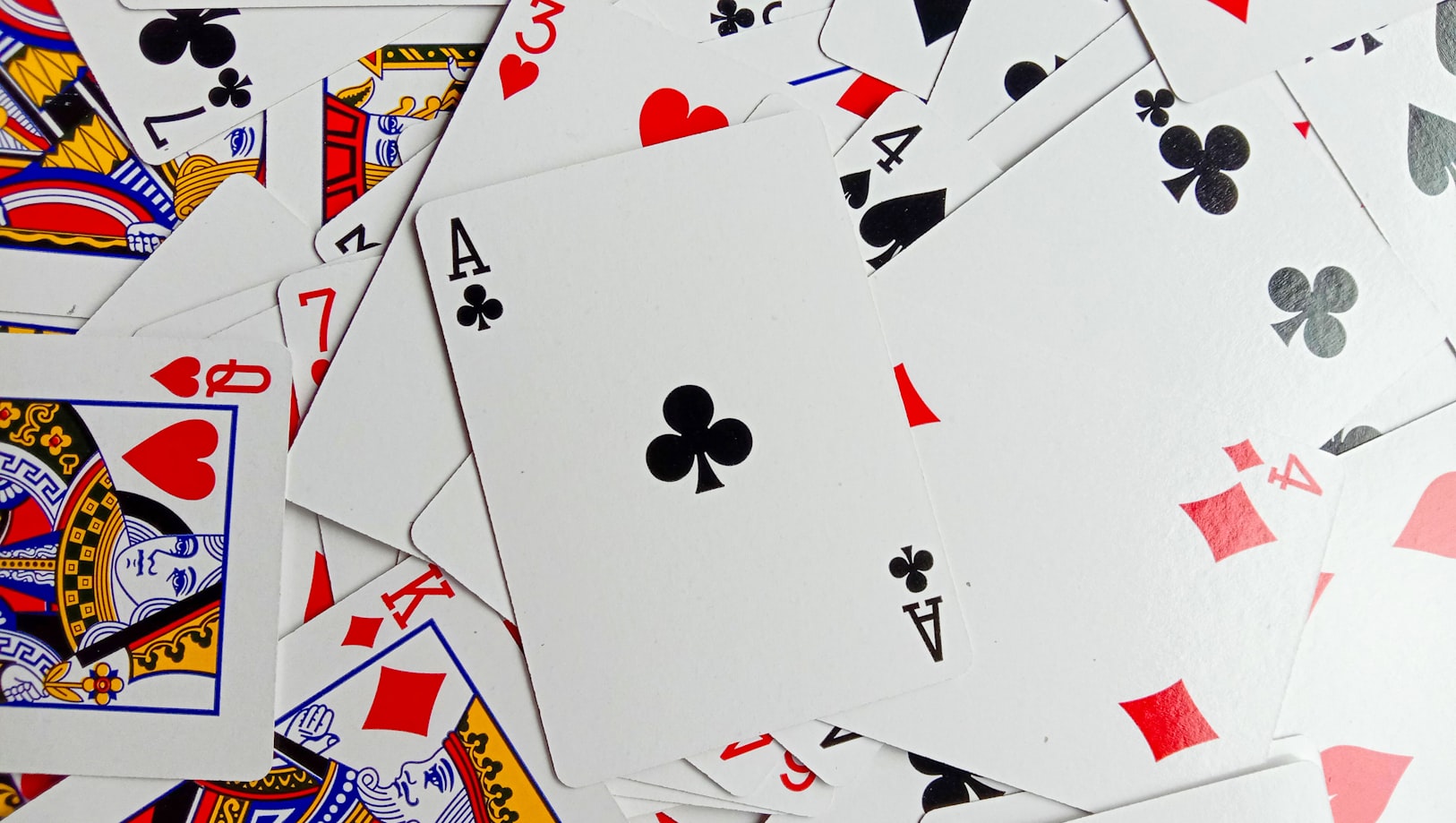
During the Middle Ages, gambling continued to flourish, particularly in Europe. The advent of card games in the 14th century marked a significant shift in gambling culture. Playing cards, believed to have originated in China, gained immense popularity across Europe, leading to the establishment of gaming houses. This era saw the emergence of various gambling games, each with distinct rules and formats.
The Renaissance period further transformed gambling, with the introduction of more organized betting systems and the establishment of state-run lotteries. These developments reflected a growing acceptance of gambling in society and its potential as a source of revenue. The increasing popularity of gambling during this time laid the groundwork for the modern casino industry.
The Birth of Modern Casinos
The 17th century marked the formal establishment of casinos, with the opening of the first recognized gambling house in Venice. This casino, known as Il Ridotto, offered a variety of games, attracting the wealthy elite. As gambling venues began to proliferate across Europe, the concept of casinos evolved, featuring luxurious settings and sophisticated games.
By the 19th century, casinos became synonymous with glamour and excitement, particularly in cities like Monte Carlo. The introduction of iconic games such as roulette and baccarat drew players from all walks of life, further embedding gambling into the social fabric of European culture. This period also saw the rise of gambling laws, aimed at regulating and controlling the industry.
The Digital Revolution in Gambling
The late 20th century brought about a seismic shift in the gambling industry with the advent of the internet. Online casinos began to emerge, providing players with unprecedented access to a wide range of games from the comfort of their homes. This digital revolution not only expanded the reach of gambling but also introduced innovative gaming formats and betting options.
As technology continued to advance, mobile gaming became a game-changer, allowing players to engage in gambling activities on their smartphones and tablets. The rise of online gambling has transformed the landscape, leading to increased competition among operators and greater choices for players. Today, online casinos offer a seamless blend of entertainment and convenience, appealing to a diverse audience.

Exploring the World of Online Casinos
In the modern age, the world of online casinos has evolved into a vibrant ecosystem, offering players an extensive array of games, including slots, poker, and live dealer options. Websites dedicated to reviewing and comparing these platforms have emerged, helping users make informed choices about where to play. These resources provide insights into the best online casinos, ensuring a rewarding gaming experience.
As players explore the exciting opportunities available in the online gambling landscape, they can access valuable information, expert recommendations, and comprehensive reviews. This ongoing evolution of gambling not only reflects changes in technology but also the shifting preferences of players, showcasing the dynamic nature of the industry.
