
The Allure of Casino Environment
The environment of a casino is meticulously designed to captivate its visitors. Bright lights, melodious sounds of slot machines, and the excitement in the air create a sensory experience that is hard to resist. This atmosphere plays a significant role in influencing player behavior and decisions. The psychological concept of conditioning is often at play; individuals associate the stimulating environment with the thrill of winning, reinforcing their desire to engage in gambling activities. Additionally, understanding the best bitcoin sports betting sites allows players to explore their options in a competitive market.
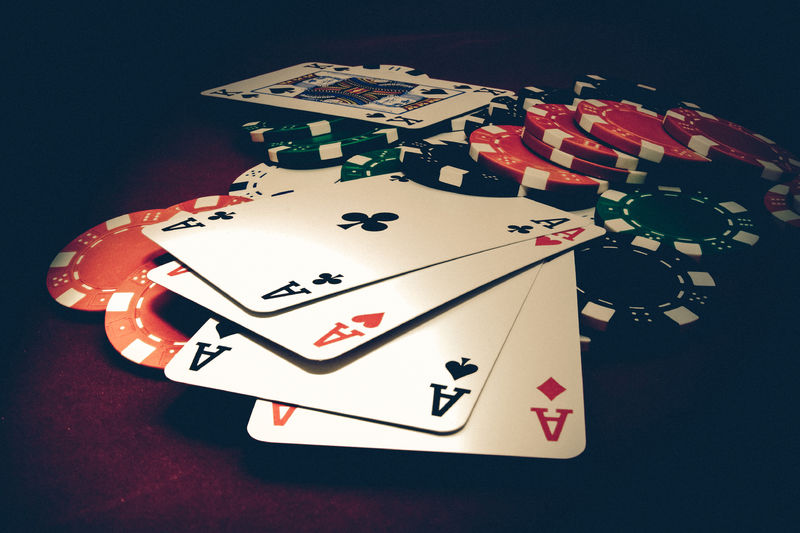
Moreover, the layout of casinos is strategically structured to encourage prolonged play. The absence of windows and clocks fosters a sense of timelessness, leading players to lose track of time and stay longer. This deliberate manipulation of surroundings taps into human psychology, making it essential for gamblers to be aware of their environment when formulating strategies.
The Role of Risk and Reward
At the heart of gambling is the balance between risk and reward. Every player approaches gambling with a different threshold for risk, shaped by their personality and past experiences. The prospect of winning substantial amounts can lead to riskier behavior, as the brain’s reward center is activated upon the anticipation of winning. This phenomenon, known as the ‘gambling rush,’ can create a cycle of engagement that many find difficult to escape.
Understanding one’s risk tolerance is crucial in developing effective gambling strategies. Some may prefer strategies that involve calculated risks, such as card counting in blackjack, while others may gravitate towards luck-based games like slot machines. This divergence showcases how individual psychological profiles influence gambling strategies and overall experiences in casinos.
The Impact of Cognitive Biases
Cognitive biases significantly affect gambling decisions. The illusion of control, for example, leads many players to believe they can influence outcomes in games of chance. This belief often results in players taking unnecessary risks or employing ineffective strategies, as they mistakenly think their skills can sway the odds in their favor.
Another common bias is the gambler’s fallacy, where individuals believe that past events will influence future outcomes. For instance, a player might assume that a particular slot machine is “due” for a win after a series of losses. Recognizing these biases is essential for gamblers to develop rational strategies and minimize the impact of flawed thinking in their gameplay.
The Psychological Strategies of Successful Gamblers
Successful gamblers often employ psychological strategies that enhance their decision-making processes. Emotional regulation is one such strategy; maintaining composure during both wins and losses is crucial for making logical choices. Those who can manage their emotions are less likely to make impulsive bets that could lead to significant losses.
Additionally, setting limits and knowing when to walk away are fundamental strategies that successful gamblers adhere to. By establishing clear boundaries, players can protect themselves from the psychological traps that casinos create. This mindful approach not only enhances the overall gambling experience but also plays a vital role in preventing negative consequences associated with irresponsible gambling.
Balancing Fun and Safety in Online Gambling
As the landscape of gambling diversifies with online platforms, the psychological aspects remain pivotal. Understanding the emotional and cognitive triggers that drive online gambling is crucial for both players and site operators. Responsible gambling practices must be at the forefront, encouraging players to be aware of their behavior and the potential risks involved.
Moreover, ensuring a secure gaming environment is essential for fostering a positive experience. Websites should prioritize user safety, providing resources for responsible gambling, and enabling users to manage their play effectively. By taking proactive measures, both players and operators can contribute to a healthy gambling environment that emphasizes enjoyment while minimizing risks.
